


Duolingo: Language Lessons
4.7967.24K Reviews
App Specs
- Version
- Varies with Device
- Updated On
- License
- Free
- Downloads
- 500,000,000+
- Developer
- Duolingo
- Categories
- Education
- Platform
- Android, iOS
Screenshots
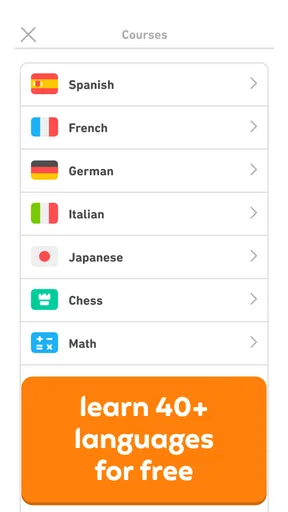
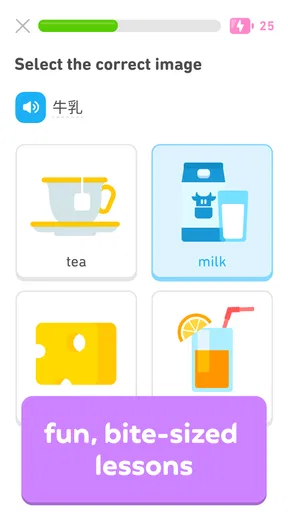
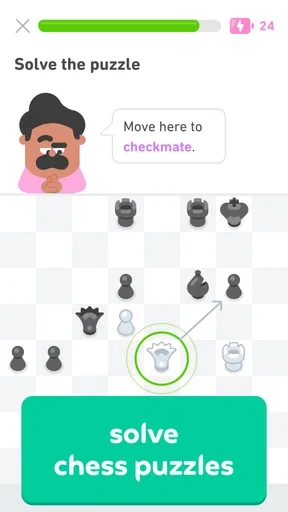
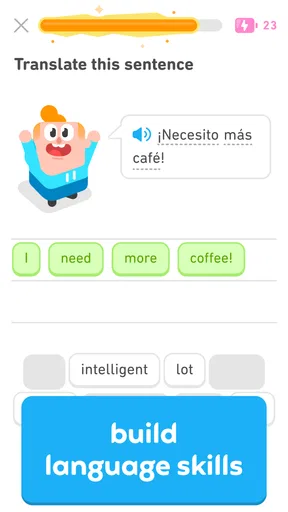
 Analysis by AppCompare
I like language-learning apps most when they make it easy to begin without pretending that a handful of taps will make me fluent. Duolingo: Language Lessons is built around short sessions, a playful tone, and a free starting point, so it suits people who want to make practice part of an ordinary day. I find it most useful as a way to build a habit and revisit basics, rather than as a complete substitute for conversation or a structured course.
What you can try without paying
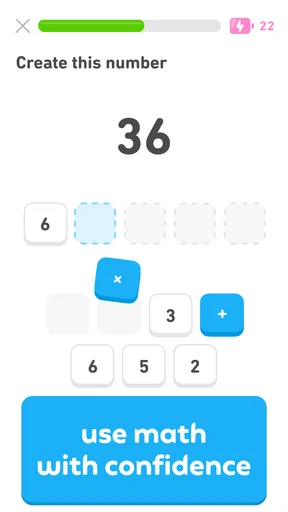
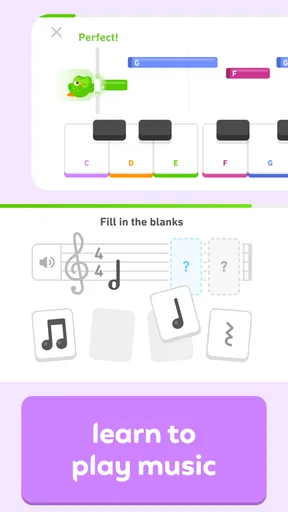
The app is free to download and use, which makes it easy to test whether its lesson style works for you before spending anything. Duolingo is the developer, and the app is an education product for learners interested in subjects that include languages as well as math, music, and chess. Its age rating is Everyone, so it can be considered by a broad range of learners, though a child’s learning routine still benefits from an adult helping them choose goals and keep screen time balanced.
There are in-app purchases, with listed prices ranging from $0.99 to $239.99 per item. That broad range does not tell me which purchase is right for a particular learner, so I would start with the free access and decide whether a paid option addresses a problem I actually have. If ads, access arrangements, or other paid benefits matter to you, check the current purchase details in the app before committing rather than assuming every learner needs an upgrade.
Guides and Analysis on Duolingo: Language Lessons
What the lessons are good at
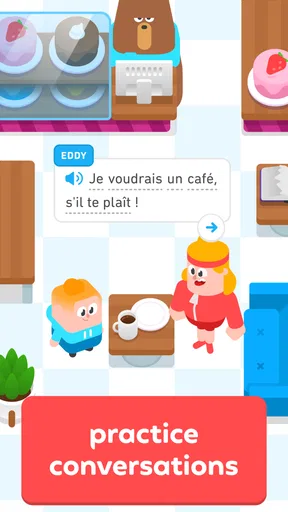
In use, the short exercises lower the effort needed to get started. A quick session can fit into a commute, a lunch break, or the few minutes before bed. The mix of prompts encourages you to recognize words and phrases, listen, type, and, where available in a lesson, try speaking. I like that the format asks for active responses instead of leaving me to scroll through vocabulary passively.
The app’s range also makes it appealing if you are curious about more than one subject. You can use the same familiar style to explore languages and other learning areas, rather than treating the app as a single-purpose reference book. Duolingo has an average rating of 4.6 from around 41 million ratings, and it has been installed over 500 million times. Those figures suggest a widely used product, but they do not guarantee that its teaching style will suit your goals.
A routine that works in real life
One practical approach is to attach a lesson to something you already do. I might complete a short session after making coffee, then make a note of one expression I want to remember and try to use it later that day. That small follow-up matters: recognizing an answer among choices is easier than producing it in a real conversation, so I would not treat a completed exercise as proof that a word is ready to use spontaneously.
For a beginner, a useful weekly rhythm could be brief app practice on most days and a separate moment to listen to natural speech or speak with another person when that is available. The app can help make familiar words less unfamiliar, while real conversation reveals where you hesitate and what you cannot yet understand. This division of labor keeps expectations realistic without dismissing the value of a consistent daily habit.
Worth Reading Before You Choose

ESPN’s Live Game View Makes Following Close Games Easier

QuizzLand Review: A Good Fit for Short Trivia Breaks, Not Every Player

Basketball Stars: Multiplayer Is Fast, but Can It Recover When Matches Go Wrong?

WEBTOON Turns Phone Updates Into a Better Reading Routine

How Alibaba.com Dominates the B2B Marketplace

Metro's Quiet Rise: Redefining Mobile Communication
How it compares with other ways to learn
Compared with a textbook, the app is easier to pick up for a few minutes and more responsive to your answers, but a book can be better when you want a calm, organized explanation that you can review at your own pace. Compared with a live tutor or conversation exchange, Duolingo is more convenient for solo practice, but it cannot replace the unpredictability of responding to another person. I would use it alongside those options if speaking comfortably is the goal.
It is also different from using a dictionary or translation tool. Those are useful when you need a quick answer to a specific question; lessons are better for repeated exposure and practice over time. If you are preparing for a formal exam, need specialist vocabulary, or have a deadline for reaching a defined proficiency level, I would look for a course that maps directly to that target and use this app as a supplement rather than relying on it alone.
Small choices that improve the experience
A less obvious benefit of bite-sized lessons is that they make it easy to stop before concentration falls away. I prefer ending a session while I am still paying attention instead of turning every free moment into a long streak-chasing session. The trade-off is that short practice can feel productive even when it never moves beyond recognition. To counter that, I would occasionally cover the answer choices, say a response aloud before tapping, or write down a phrase from memory.
When a translation feels strange or an exercise repeats familiar material, I would treat that as a cue to check the phrase in context, not as a reason to memorize a single English equivalent blindly. Words can shift meaning depending on the sentence, and app exercises necessarily present language in a simplified setting. Repetition can help with recall, but if the same material stops challenging you, use your time to review a weak point or add listening and speaking practice elsewhere.
The product has been available since May 29, 2013, and its scale is substantial: it has around 923,000 reviews alongside its large rating base. That reach is useful context, not a promise of a particular outcome. A popular learning format can still feel too game-like, too repetitive, or insufficiently focused for someone who prefers detailed grammar explanations or direct feedback from a teacher.
Getting Started: Easy Peasy Lemon Squeezy
Right off the bat, Duolingo: Language Lessons makes it super simple to jump in. You just select the language you want to learn and set your daily goals. Whether you’re a complete newbie or brushing up on forgotten skills, the app tailors the experience to your level. It's like having a personal language tutor in your pocket, minus the hefty price tag.
Interactive and Fun Lessons
The lessons are bite-sized and interactive. You’re not just reading or listening—you're engaging! The app throws in speaking, listening, and even typing exercises to keep your brain on its toes. And let's not forget the adorable owl mascot, Duo, who’s there to cheer you on. Trust me, you’ll find yourself saying "just one more lesson" more often than you’d think.
Gamification at Its Best
If you're like me and get a kick out of earning points and badges, you’re in for a treat. Duolingo spices up the learning experience with a bit of friendly competition. You can join leagues, earn streaks, and even challenge friends. It's like your favorite mobile game, but you’re actually learning something useful!
Accessibility and Design
One of the standout features is how accessible and well-designed the app is. With its clean interface and intuitive navigation, getting lost is not an option. It's available on both Android and iOS, so whether you're on Team Apple or Team Android, you’re covered.
Free to Use, with Extras
Duolingo is free to use, which is a huge plus. Of course, there’s a premium version, Duolingo Plus, that removes ads and offers offline access. But honestly, the free version is robust enough for most learners. The ads are pretty unobtrusive, so your learning flow won’t hit any bumps.
Room for Improvement?
While Duolingo is fantastic, it’s not without its quirks. Sometimes, the translations can be a bit off, and the repetition might feel a tad redundant. But hey, practice makes perfect, right?
All in all, Duolingo: Language Lessons is a stellar tool for anyone itching to pick up a new language without the fuss. It's engaging, effective, and best of all, fun. So why not give it a whirl? You might just find yourself chatting away in Spanish, French, or even Klingon before you know it!
Pros
- Engaging gamified learning experience.
- Wide variety of languages offered.
- Short
- manageable lesson structure.
- Adaptive difficulty based on progress.
- Free version with extensive features.
Cons
- Frequent ads in the free version.
- Limited advanced language content.
- In-app purchases can be pricey.
- Internet required for most features.
- Pronunciation practice can be lacking.
FAQs for Duolingo: Language Lessons
What platforms is Duolingo available on?
Duolingo is available on both Android and iOS platforms, making it accessible to a wide range of users. Additionally, it can be accessed via a web browser on a computer. This flexibility allows users to continue their language learning journey across multiple devices, ensuring convenience and continuity.
Is Duolingo free to use?
Yes, Duolingo offers a free version that includes ads and provides access to a variety of language courses. However, there is an optional premium subscription called Duolingo Plus, which removes ads, offers offline access, and provides additional features to enhance the learning experience.
How does Duolingo help with language learning?
Duolingo employs a gamified approach to language learning, incorporating short lessons that cover vocabulary, grammar, and pronunciation. The app uses exercises such as matching words, translating sentences, and speaking practices to reinforce learning. It also provides instant feedback, helping users correct mistakes and track progress.
Can I learn multiple languages at the same time on Duolingo?
Yes, Duolingo allows users to learn multiple languages simultaneously. You can switch between different language courses within the app, making it easy to explore and practice more than one language. This feature is particularly useful for multilingual learners or those interested in expanding their linguistic skills.
What is the effectiveness of Duolingo for language fluency?
Duolingo is effective for building foundational language skills, including vocabulary and basic grammar. However, achieving fluency requires additional practice and exposure, such as conversation with native speakers or immersive experiences. Duolingo is an excellent starting point, but it should be complemented with other learning methods for full proficiency.


